

In today’s competitive industrial world, quality control is everything. Whether you’re in manufacturing, fabrication, automotive, aerospace, or metal trading, knowing the exact composition of your metal is crucial. That’s where a Metal Spectrometer becomes an essential tool.
If you’re planning to buy one or simply want to understand how it works, this detailed guide will help you make the right decision.
What is a Metal Spectrometer?
A Metal Spectrometer is an advanced analytical instrument used to determine the chemical composition of metals and alloys. It helps industries identify elements like carbon, sulfur, manganese, chromium, nickel, and many others in just a few seconds.
In simple terms, it tells you what your metal is made of — accurately and quickly.
Why is a Metal Spectrometer Important?
Imagine producing a batch of stainless steel that doesn’t meet grade standards. The financial loss, reputation damage, and safety risks can be huge. A spectrometer prevents this by:
✅ Ensuring correct alloy grade identification
✅ Detecting impurities
✅ Maintaining product quality
✅ Avoiding material mix-ups
✅ Meeting international standards
For industries working with critical components, it’s not optional — it’s necessary.
Types of Metal Spectrometers
There are mainly two popular types used in industries:
1️⃣ OES (Optical Emission Spectrometer)
OES (Optical Emission Spectrometer) uses spark technology to analyze metal samples. It is widely used in foundries and laboratories.
Best for:
Carbon analysis in steel
High-precision metal testing
Laboratory environments
Advantages:
Very accurate
Detects low-level elements
Suitable for bulk production testing
2️⃣ Portable Metal Spectrometer (XRF)
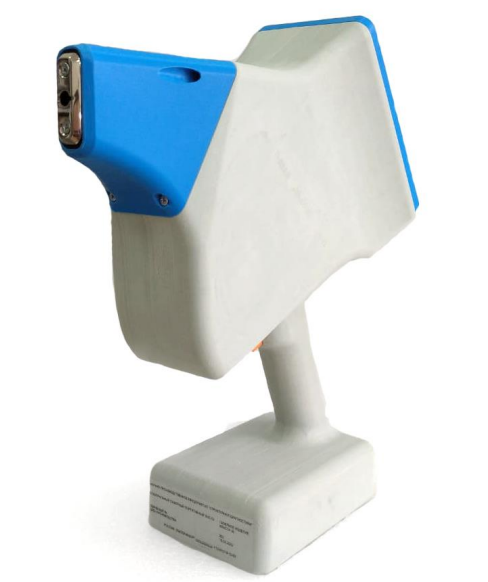
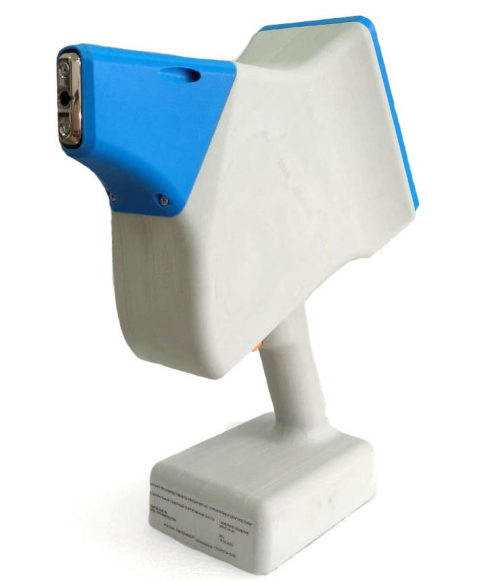
A Portable Metal Spectrometer, commonly based on XRF (X-ray Fluorescence), is handheld and easy to use. It is perfect for on-site metal analysis.
Best for:
Scrap yards
On-site inspections
Warehouse material verification
Quick PMI (Positive Material Identification)
Advantages:
Lightweight and portable
Instant results
No sample cutting required
Key Features to Look for in a Metal Spectrometer
When buying a metal spectrometer, focus on:
🔹 Accuracy & Detection Range
Check which elements it can detect and at what minimum levels.
🔹 Speed of Analysis
Most modern spectrometers provide results in 2–10 seconds.
🔹 Ease of Use
Touchscreen interface, simple calibration, and user-friendly software are important.
🔹 Maintenance & Calibration
Low maintenance models save long-term costs.
🔹 After-Sales Support
Always choose a supplier that provides training, service, and calibration support.
Industries That Use Metal Spectrometers
🏭 Foundries & Casting Units
🚗 Automotive Industry
✈ Aerospace Manufacturing
🔩 Fabrication & Engineering
♻ Scrap & Recycling Industry
🛢 Oil & Gas Sector
If your business deals with metal verification, this tool is a must-have.
How to Choose the Right Metal Spectrometer?
Ask yourself:
Do you need lab testing or on-site testing?
Do you require carbon analysis? (If yes, OES is better.)
What is your budget?
How frequently will you use it?
For heavy industrial labs → Go for OES
For field testing & scrap analysis → Go for Portable XRF Spectrometer
Final Thoughts
A Metal Spectrometer is not just a machine — it’s a quality assurance partner. It protects your brand, ensures compliance, and helps you deliver consistent performance.
Before purchasing, compare features, check certifications, and choose a reliable supplier. Investing in the right spectrometer today can save you significant losses tomorrow.


Write a comment ...