

In modern industries, metal quality and composition analysis play a critical role in ensuring product safety, durability, and compliance with international standards. This is where a Metal Spectrometer becomes an essential instrument.
A metal spectrometer is widely used in industries such as metallurgy, manufacturing, scrap recycling, aerospace, automotive, and research laboratories. It helps identify the exact chemical composition of metals and alloys within seconds.
With many models available in the market, choosing the right spectrometer can be confusing. This guide explains what a metal spectrometer is, how it works, its applications, types, features, and tips for buying the best metal spectrometer for your business.
What is a Metal Spectrometer?
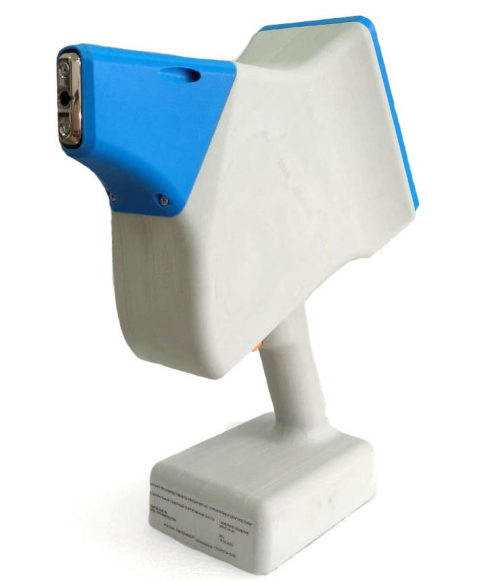
A metal spectrometer is a scientific instrument used to analyze and identify the elemental composition of metal samples. It works based on the principle of spectroscopy, which measures how atoms interact with energy.
When energy such as electric spark, X-ray radiation, or plasma is applied to a metal sample, the atoms emit light at specific wavelengths. The spectrometer detects these wavelengths and identifies which elements are present in the sample.
This allows industries to determine the percentage of elements such as:
Carbon
Nickel
Chromium
Copper
Aluminum
Silicon
Manganese
Sulfur
Phosphorus
The results help ensure that metals meet the required specifications and quality standards.
How Does a Metal Spectrometer Work?
Understanding how a metal spectrometer works can help buyers choose the right model for their needs.
Press enter or click to view image in full size
The process typically involves the following steps:
1. Sample Preparation
A small metal sample is prepared and cleaned to remove any surface contamination.
2. Excitation
Energy is applied to the sample using a spark, X-ray beam, or plasma source. This excites the atoms in the metal.
3. Emission of Light
Excited atoms emit light at specific wavelengths corresponding to different elements.
4. Spectral Analysis
The spectrometer measures the emitted light spectrum and determines the chemical composition.
5. Result Display
The instrument’s software displays the percentages of various elements in the metal sample.
The entire process typically takes only a few seconds, making metal spectrometers highly efficient tools for industrial applications.
Major Applications of Metal Spectrometers
Metal spectrometers are used across many industries for different purposes.
1. Metal Manufacturing Industry
Manufacturers use spectrometers to ensure the metal composition meets required specifications during production.
2. Scrap Metal Recycling
Scrap yards use portable spectrometers to quickly identify different types of metals and alloys.
3. Automotive Industry
Car manufacturers analyze metals used in engine parts, frames, and other components to ensure durability and safety.
4. Aerospace Industry
Aircraft components require extremely precise metal compositions, making spectrometers essential for quality assurance.
5. Research Laboratories
Scientists use metal spectrometers to study material properties and develop new alloys.
Types of Metal Spectrometers
Before buying a metal spectrometer, it is important to understand the different types available.
Optical Emission Spectrometer (OES)
The Optical Emission Spectrometer is one of the most commonly used instruments for metal analysis.
Features
High accuracy
Suitable for solid metals
Detects carbon and other light elements
Common Uses
Steel production
Foundries
Quality control laboratories
XRF Spectrometer
An X-ray Fluorescence (XRF) spectrometer uses X-rays to analyze metal samples.
Features
Non-destructive testing
Portable devices available
Fast results
Com mon Uses
Scrap metal sorting
On-site metal inspection
Mining industry
ICP Spectrometer
The Inductively Coupled Plasma (ICP) spectrometer is commonly used in laboratories.
Features
Extremely high sensitivity
Detects trace elements
Suitable for liquid samples
Common Uses
Chemical laboratories
Environmental testing
Scientific research
Benefits of Using a Metal Spectrometer
Investing in a metal spectrometer provides many advantages for industries dealing with metal materials.
1. Accurate Metal Identification
Spectrometers provide precise results about metal composition, reducing errors in material selection.
2. Faster Testing
Most spectrometers deliver results within seconds, saving time during production or inspection.
3. Quality Assurance
Companies can ensure their products meet international quality standards.
4. Cost Reduction
By identifying metal composition accurately, industries avoid costly material mix-ups.
5. Regulatory Compliance
Spectrometers help industries comply with regulatory requirements and safety standards.
Important Features to Look for When Buying a Metal Spectrometer
When purchasing a metal spectrometer, several key features should be considered.
Detection Range
Ensure the spectrometer can detect all the elements required for your application.
For example:
Steel industries require carbon detection
Aluminum industries need silicon and magnesium analysis
Speed of Analysis
Fast analysis improves productivity, especially in high-volume manufacturing environments.
Some modern spectrometers provide results in less than 10 seconds.
Portability
Depending on your application, you may need either:
Portable spectrometer
Benchtop spectrometer
Laboratory spectrometer
Portable spectrometers are ideal for field inspections and scrap metal sorting.
Software Capabilities
Modern metal spectrometers include advanced software that offers:
Alloy grade identification
Automatic calibration
Data storage and report generation
Good software improves usability and reduces operator errors.
Durability
Industrial environments can be harsh, so the spectrometer should be durable and reliable.
Look for features like:
Dust protection
Temperature resistance
Rugged construction
Tips for Buying the Best Metal Spectrometer
Here are some practical tips to help you choose the right instrument.
Define Your Application
Understand your testing requirements before purchasing.
Compare Different Models
Compare features, accuracy levels, and prices from different manufacturers.
Check Service Support
Reliable technical support is essential for maintenance and calibration.
Request a Demo
Always test the spectrometer using your own metal samples.
Consider Future Needs
Choose a spectrometer that can handle future testing requirements as your business grows.
The Future of Metal Spectrometry
Technology is continuously improving in the field of metal analysis.
Future spectrometers are expected to offer:
Artificial intelligence-based alloy identification
Cloud data integration
Faster detection speeds
Smaller and more portable devices
These advancements will make metal analysis even more efficient and accessible.
Conclusion
A metal spectrometer is a vital tool for industries that require accurate metal composition analysis. Whether used in manufacturing, recycling, research, or quality control, spectrometers help ensure product reliability and safety.




Write a comment ...