
In industries where accuracy, speed, and mobility matter, a Portable Metal Spectrometer has become an essential tool. Whether you're in metal recycling, manufacturing, mining, or quality control, choosing the right device can dramatically improve efficiency and reliability. However, with so many models and technologies available, buying the right portable metal spectrometer can feel overwhelming.
This SEO-optimized guide will help you understand what a portable metal spectrometer is, why you need one, key features to look for, pricing factors, and how to choose the best model for your specific application.
What is a Portable Metal Spectrometer?
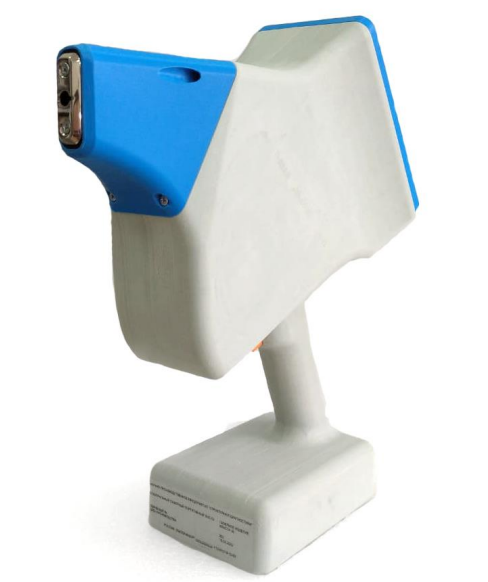
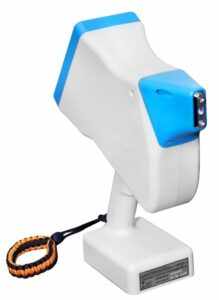
A Portable Metal Spectrometer is a handheld or compact device used to analyze the chemical composition of metals and alloys on-site. Unlike traditional lab spectrometers, portable models are designed for field use, offering instant results without the need for sample preparation or laboratory testing.
These devices are widely used for:
Scrap metal sorting
Alloy identification (PMI testing)
Quality control in manufacturing
Mining exploration
Aerospace and automotive inspections
Construction and infrastructure projects
By delivering real-time results, portable spectrometers help businesses avoid costly errors and improve workflow efficiency.
Why Buy a Portable Metal Spectrometer?
1. On-Site Metal Analysis
Instead of sending samples to a lab and waiting days for results, a portable spectrometer allows immediate analysis. This is critical in industries where fast decisions are required.
2. Cost Savings
Although the upfront cost can be high, portable spectrometers reduce long-term expenses by eliminating lab testing fees and minimizing material mix-ups.
3. Improved Accuracy
Modern portable spectrometers offer lab-level precision, ensuring reliable results for compliance and certification.
4. Increased Productivity
With quick testing and instant reports, teams can work faster and more efficiently in the field.
Types of Portable Metal Spectrometers
Before buying, it’s important to understand the different types available in the market.
1. XRF Portable Spectrometers
X-ray fluorescence (XRF) spectrometers are the most common type.
Best for:
Scrap yards
Alloy identification
Coating thickness measurement
Advantages:
Non-destructive testing
Easy to use
Minimal training required
Limitations:
Less accurate for light elements like carbon
2. LIBS Portable Spectrometers
Laser-induced breakdown spectroscopy (LIBS) devices use laser pulses to analyze metals.
Best for:
Carbon detection
Steel and alloy analysis
High-precision industrial applications
Advantages:
Detects light elements
Fast results
High accuracy
Limitations:
Slightly more expensive
Requires more training
3. OES Portable Spectrometers
Optical emission spectroscopy (OES) models provide the highest accuracy among portable units.
Best for:
Metallurgy labs
Aerospace applications
Advanced material testing
Advantages:
Lab-grade accuracy
Detects carbon and trace elements
Limitations:
Higher cost
More maintenance
Key Features to Look for When Buying a Portable Metal Spectrometer
Choosing the right portable metal spectrometer depends on several important features.
1. Element Detection Range
Ensure the device can detect the elements relevant to your industry. For example, steel manufacturers need carbon detection, while recyclers may prioritize alloy sorting.
2. Accuracy and Calibration
Look for models with automatic calibration and certified accuracy standards. This ensures reliable and repeatable results.
3. Ease of Use
A user-friendly interface is crucial, especially if multiple operators will use the device. Features to look for include:
Touchscreen display
Simple software interface
Preloaded alloy libraries
4. Portability and Weight
Since these devices are designed for field use, lightweight and ergonomic designs are important for daily operations.
5. Battery Life
Choose a spectrometer with long battery life, especially if you work in remote locations.
6. Durability
Field conditions can be harsh. Look for:
Rugged casing
Dust and water resistance
Shockproof design
7. Software and Connectivity
Modern portable spectrometers offer advanced connectivity options such as:
Wi-Fi and Bluetooth
Cloud data storage
USB data export
Mobile app integration
Industries That Use Portable Metal Spectrometers
Portable metal spectrometers are used across various sectors:
Scrap Metal Recycling
Quickly identify and sort metals to maximize profit and avoid contamination.
Manufacturing
Ensure material quality and compliance during production.
Oil and Gas
Perform positive material identification (PMI) for safety-critical components.
Aerospace
Verify high-grade alloys used in aircraft parts.
Mining
Analyze ore composition directly at the extraction site.
How Much Does a Portable Metal Spectrometer Cost?
The cost of a portable metal spectrometer varies based on technology and features.
Typical Price Ranges:
XRF spectrometers: $15,000 – $40,000
LIBS spectrometers: $30,000 – $70,000
Portable OES spectrometers: $50,000 – $100,000+
Factors Affecting Price:
Detection capabilities
Brand reputation
Software features
Warranty and support
Accessories included
While price is important, choosing based solely on cost can lead to poor performance and higher long-term expenses.
Tips for Choosing the Best Portable Metal Spectrometer
1. Define Your Application
Start by identifying how you plan to use the device. Scrap sorting requires different features compared to aerospace testing.
2. Compare Technologies
Choose XRF, LIBS, or OES based on your required accuracy and element detection.
3. Check Certifications
Ensure the spectrometer meets international standards such as ISO and ASTM compliance.
4. Evaluate Vendor Support
Reliable after-sales support is essential. Look for:
Training programs
Calibration services
Warranty coverage
Local service centers
5. Request a Demo
Always test the spectrometer before buying. A live demo helps you evaluate:
Ease of use
Result accuracy
Software functionality
6. Read Reviews and Case Studies
Look for customer feedback and industry use cases to understand real-world performance.
Common Mistakes to Avoid
Avoid these pitfalls when purchasing a portable metal spectrometer:
Buying based only on price
Ignoring calibration requirements
Overlooking training needs
Choosing the wrong technology
Not checking warranty and service support
Making an informed decision can save thousands of dollars and prevent operational setbacks.
Where to Buy a Portable Metal Spectrometer
You can purchase portable metal spectrometers from:
Authorized manufacturers
Industrial equipment suppliers
Online B2B marketplaces
Specialized analytical instrument dealers
Always verify the authenticity of the seller and ensure the device includes proper certification and warranty.
Maintenance and Care Tips
To maximize the lifespan of your portable metal spectrometer:
Perform regular calibration
Clean sensors after use
Store in protective cases
Update software regularly
Schedule annual servicing
Proper maintenance ensures consistent performance and extends device longevity.
Final Thoughts
Investing in a Portable Metal Spectrometer is a smart decision for businesses that require fast, accurate metal analysis in the field. Whether you work in recycling, manufacturing, or mining, the right spectrometer can significantly enhance productivity, reduce costs, and improve quality assurance.
Before making a purchase, carefully evaluate your application needs, compare technologies, and choose a trusted supplier with strong after-sales support. By considering the factors outlined in this guide, you can confidently select the best portable metal spectrometer for your industry and budget.
FAQs About Portable Metal Spectrometers
Q1: Which is better, XRF or LIBS?
It depends on your needs. XRF is ideal for general metal identification, while LIBS is better for detecting light elements like



Write a comment ...