
Choosing the right Metal Spectrometer is important if you work in metal manufacturing, fabrication, recycling, or quality control. Whether you need a lab-based spectrometer, a portable metal spectrometer, or a device for PMI testing, buying the right equipment can improve accuracy and save money.
In this guide, you’ll learn how to buy the best metal spectrometer for your business in a simple and easy-to-understand way
What is a Metal Spectrometer?
A Metal Spectrometer is a device used to identify and measure the elements inside a metal sample. It tells you exactly what materials are present, such as iron, aluminum, nickel, chromium, or copper.
Metal spectrometers are widely used for:
Metal grade verification
Scrap metal sorting
Quality control
Production testing
Positive Material Identification (PMI)
What is PMI in Metal Testing?
PMI stands for Positive Material Identification. It is the process of checking whether a metal or alloy matches the required grade and composition.
PMI is commonly used in industries such as:
Oil and gas
Aerospace
Construction
Automotive
Manufacturing
A portable metal spectrometer makes PMI testing much easier because you can analyze materials directly on-site 🔍
Types of Spectrometers for Metal Analysis
Before buying, it’s important to know the different types of spectrometers available.
1. Optical Emission Spectrometer (OES)
An OES spectrometer is usually used in laboratories and factories.
Benefits:
Very high accuracy
Ideal for detailed metal analysis
Can detect carbon and other light elements
Best for:
Laboratory testing
Production quality control
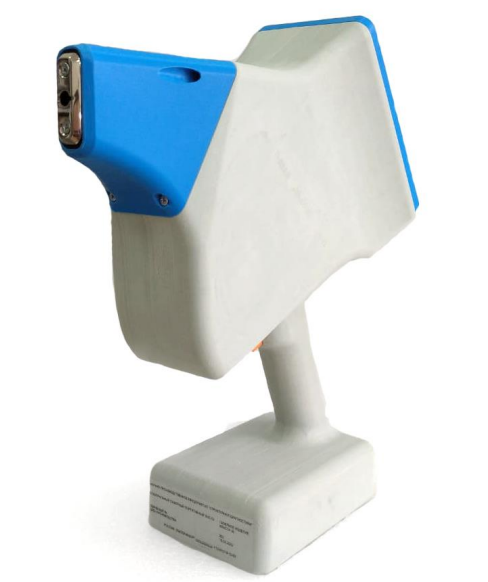
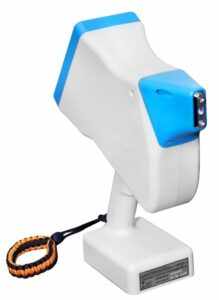
2. Portable Metal Spectrometer
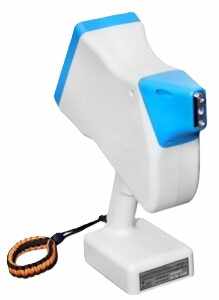
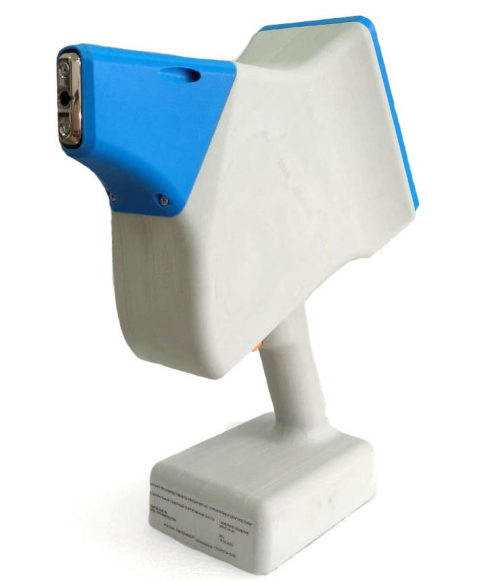
A portable metal spectrometer is handheld and designed for field use. It allows you to perform PMI testing anywhere.
Benefits:
Lightweight and easy to carry
Fast results in seconds
Perfect for on-site inspection
Best for:
Scrap yards
Construction sites
Warehouse inspections
3. XRF Spectrometer
XRF spectrometers use X-ray technology to analyze metals.
Benefits:
Non-destructive testing
Easy to use
Excellent for heavy elements
Best for:
PMI testing
Scrap sorting
Alloy identification
4. LIBS Spectrometer
LIBS stands for Laser-Induced Breakdown Spectroscopy.
Benefits:
Detects light elements such as lithium and aluminum
Faster than many other systems
Ideal for advanced alloy analysis
Best for:
Battery materials
Aluminum sorting
Specialized industries ⚡
How to Choose the Right Metal Spectrometer
1. Understand Your Industry Needs
The first step is knowing what you need the spectrometer for.
Ask yourself:
Do you need laboratory or portable testing?
Are you doing PMI inspections?
Which metals will you test most often?
For example:
Scrap yards usually need a portable metal spectrometer
Manufacturing companies may need an OES system
Oil and gas companies often use PMI devices
2. Check the Elements It Can Detect
Not every spectrometer detects the same elements.
Make sure your device can identify:
Carbon
Sulfur
Aluminum
Magnesium
Lithium
Nickel
If you need light element detection, choose LIBS or OES.
3. Compare Accuracy
Accuracy is one of the most important factors when buying a spectrometer.
A good metal spectrometer should provide:
Reliable results
Consistent readings
Low margin of error
This is especially important for PMI testing and industrial quality control.
4. Choose Between Portable and Stationary
Portable Metal Spectrometer
Choose this if you:
Need on-site testing
Travel between locations
Want quick PMI results
Stationary Spectrometer
Choose this if you:
Have a laboratory
Need higher accuracy
Test large numbers of samples
5. Look at Software Features
Modern spectrometers include software that can:
Store reports
Export data
Generate certificates
Connect to cloud systems
Easy-to-use software saves time and reduces mistakes 💻
6. Check Battery Life and Durability
If you buy a portable metal spectrometer, make sure it has:
Long battery life
Strong outer body
Protection against dust and water
This is important if you work in difficult environments.
Important Features to Look For
Before buying, compare these features carefully:
Fast testing speed
Large alloy library
Touchscreen display
Easy calibration
Built-in PMI mode
Wireless data transfer
Rugged design
Where to Buy a Metal Spectrometer
You can buy a metal spectrometer from:
Authorized Dealers
The safest option because you get:
Original equipment
Warranty
Technical support
Manufacturer Websites
Buying directly often gives:
Better pricing
Training support
Latest models
Industrial Equipment Suppliers
Useful if you want to compare several brands in one place.
Questions to Ask Before You Buy
Before placing your order, ask these important questions:
Which metals can this spectrometer analyze?
Is it suitable for PMI testing?
How accurate is the device?
Does it require regular calibration?
What is included in the warranty?
Is training provided?
Common Mistakes to Avoid
Many buyers make these mistakes:
Choosing the cheapest model only 💸
Buying without understanding their needs
Ignoring software and reporting features
Forgetting about maintenance and support
Avoiding these mistakes can save you money and frustration later.
Final Thoughts
Buying a Metal Spectrometer, Portable Metal Spectrometer, or PMI device is a long-term investment. The right choice depends on your industry, the metals you test, and whether you need lab or field analysis.
Take time to compare technologies such as OES, XRF, and LIBS. Always request a demonstration and make sure the supplier offers support and training.
A good spectrometer will improve quality control, reduce errors, and help your business grow



Write a comment ...